
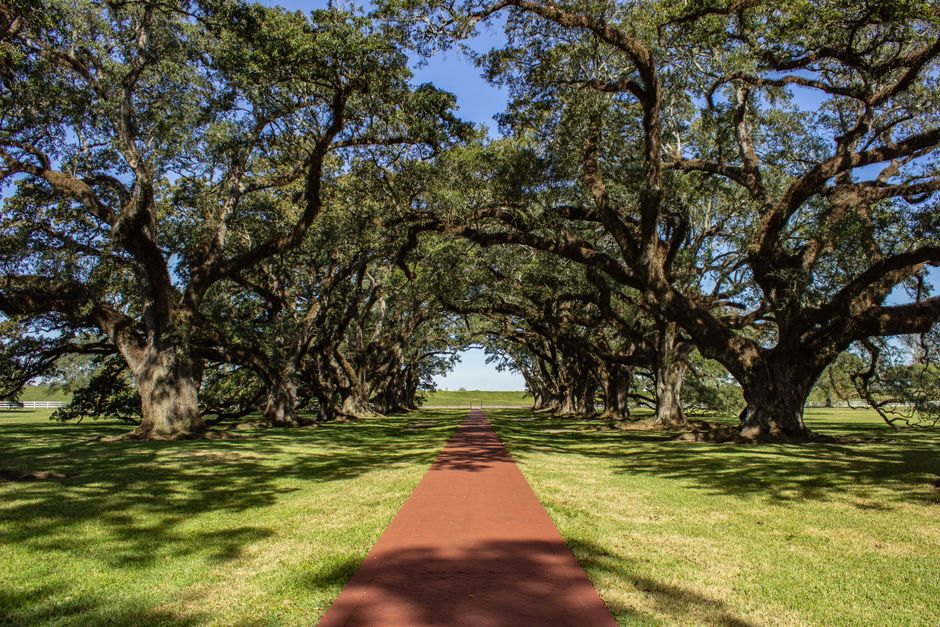
By late August, most Houston homeowners have spent enough afternoons squinting across a scorched backyard to know they need more shade. The good news is that the best planting window of the year is only a couple of months away. The better news is that you still have time to plan carefully, choose the right species, and get on a contractor's schedule before fall demand peaks.
Why August Is the Right Time to Plan, Not Plant
Houston's soil temperatures remain punishing through September. Trees planted in the heat spend their first weeks fighting to survive rather than establishing roots, and irrigation demands become extreme. The optimal planting window in our region typically opens in mid-to-late October and runs through February, when cooler air and warm soil encourage root growth without the stress of leaf-out and evaporation.
That gives you roughly eight to ten weeks to evaluate your yard, decide on species, and book installation. Waiting until October to start calling landscapers often means joining a queue, and the best nursery stock—particularly larger caliper trees—tends to move quickly once the weather breaks.
What "Survives Houston" Actually Means
Any list of shade trees Houston landscaping crews recommend has to account for more than heat. Our region combines heavy clay soils, poor drainage, periodic flooding, hurricane-force winds, and long stretches of drought punctuated by hard freezes. A tree that thrives in Austin or Dallas may struggle here, and a tree that looks lush at the nursery may fail within three years if the site is wrong.
The species that consistently perform in the Greater Houston area share a few traits: tolerance for wet feet, resistance to oak wilt and hypoxylon canker, structural wood that holds up to wind, and root systems suited to compacted urban soils.
Reliable Large Shade Trees for Houston Yards
Live oak remains the workhorse of the region for good reason. It handles clay, wind, and drought once established, and a well-placed specimen can shade a two-story home within fifteen to twenty years. Bur oak and Shumard red oak are strong alternatives, with Shumard offering better fall color and faster early growth. Nuttall oak, sometimes overlooked, tolerates wet, poorly drained sites where other oaks fail.
For homeowners who want something beyond oaks, bald cypress is remarkably tough. It handles flooding, drought, and wind, and its feathery foliage turns rust-orange before dropping. Montezuma cypress, its evergreen cousin, is gaining popularity for the same reasons with less leaf litter.
Medium and Fast-Growing Options
Not every lot can accommodate a live oak, and not every homeowner wants to wait a decade for meaningful shade. Chinese pistache offers reliable fall color, moderate size, and strong drought tolerance once established. Cedar elm, a Texas native, grows faster than live oak and handles alkaline clay well. Drake elm is another common choice, though it can be shorter-lived.
For smaller yards or courtyards, consider Mexican sycamore, which resists the anthracnose that plagues American sycamores here, or the increasingly popular Texas red oak for its manageable canopy and autumn display.
Trees to Approach With Caution
Certain species are sold widely in Houston but disappoint often enough to warrant a second look. Bradford pear splits in storms and has become invasive. Arizona ash is short-lived and prone to borers. Silver maple grows fast but drops limbs. Water oak and willow oak, while native, are frequent casualties of hypoxylon canker after drought stress.
Loquat and mimosa are attractive but too small or too weak-wooded to serve as true shade trees. If a nursery pushes any of these, ask about longevity and storm performance before committing.
Siting and Preparation Matter More Than Species
Even the right tree will fail in the wrong location. Before planting, a landscaper should evaluate drainage, existing root competition, overhead utilities, and distance from foundations and hardscape. Houston's expansive clay soils can heave slabs when large trees are planted too close, and root barriers or thoughtful placement can prevent expensive problems later.
Soil preparation in our region often means amending heavy clay, breaking up compacted layers, and building a wide planting saucer rather than a deep hole. Mulching properly—wide and shallow, never mounded against the trunk—makes a measurable difference in the first two years.
Your Practical Next Step
Spend the next few weekends walking your property at different times of day. Note where afternoon sun hits the house, where water pools after a storm, and where mature trees would eventually interfere with power lines or rooflines. Take photos and rough measurements.
Then contact a landscape contractor familiar with the Greater Houston area to walk the site with you before October. A good crew will help you narrow species choices to what fits your specific soil, drainage, and goals, and can reserve nursery stock ahead of the fall rush. Planning now means planting on schedule and living with better shade for decades to come.